Ten Historical Landmarks in Delhi You Should Not Miss
Ten Historical Landmarks in Delhi You Should Not Miss
Symbol of Mughal Architecture
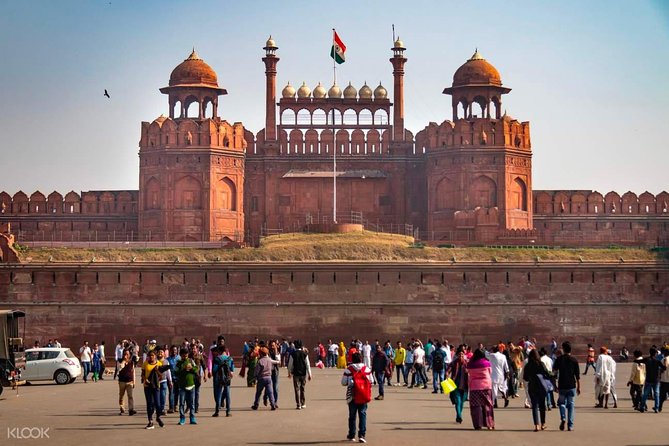
The Red Fort, a UNESCO World Heritage Site, stands as a magnificent example of Mughal architecture in India. Constructed in the mid-17th century by Emperor Shah Jahan, this imposing fortress is renowned for its stunning red sandstone walls. Visitors are often captivated by its intricate carvings and elaborate gardens, which reflect the artistry of the Mughal era. The fort's significance extends beyond its architectural beauty; it has been the site of many historical events, including India's first Independence Day celebration in 1947.
The Tallest Brick Minaret
The Qutub Minar is an iconic structure that stands as the tallest brick minaret in the world. Rising to a height of 73 meters, this towering edifice was built in the 12th century and is also a UNESCO World Heritage Site. It showcases exquisite Indo-Islamic architecture and intricate calligraphy, making it a favorite among tourists and history enthusiasts. The Qutub complex houses several other historical monuments, including the Iron Pillar, which has attracted attention for its rust-resistant composition.
A Tribute to Fallen Soldiers
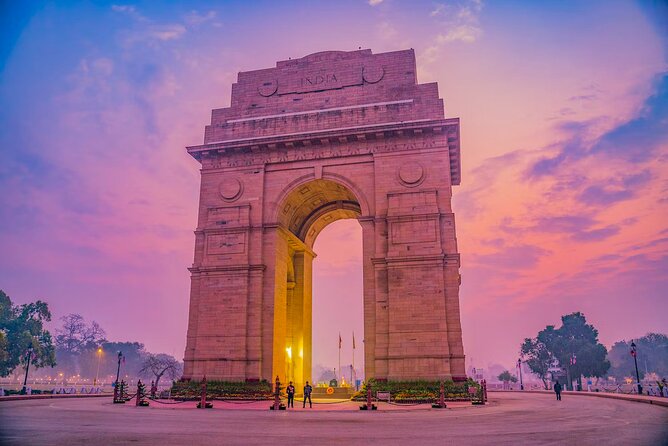
India Gate, a prominent war memorial, honors the soldiers of the Indian Army who lost their lives during World War I. This majestic archway, built in 1931, is a significant national monument that reflects the country's historical struggles and sacrifices. Surrounded by lush lawns, it serves as a popular gathering place for both locals and tourists. Visitors often enjoy picnics in the area and can appreciate the beautiful light show that occurs at night, enhancing the monument's grandeur
.
The Precursor to the Taj Mahal
Humayun's Tomb is celebrated as one of the earliest examples of Mughal architecture and is often regarded as a precursor to the iconic Taj Mahal. Built in the 16th century, this splendid garden tomb is a UNESCO World Heritage Site and showcases the distinctive Persian influences in its design. The intricate tile work and lush gardens surrounding the tomb offer a serene atmosphere for visitors, making it an ideal spot for reflection. The site not only honors the memory of Emperor Humayun but also exemplifies the architectural genius of its time.
The Largest Mosque in India
Jama Masjid is one of the largest mosques in India and a prominent symbol of Islamic culture in the country. Commissioned by Emperor Shah Jahan in the 17th century, this architectural marvel can accommodate up to 25,000 worshippers at a time. The mosque's stunning red sandstone and white marble façade, coupled with its towering minarets, create an awe-inspiring sight. Visitors are welcome to explore the mosque and its surrounding marketplace, where they can experience the vibrant atmosphere of Old Delhi.
A Symbol of Peace and Unity
The Lotus Temple is a contemporary architectural masterpiece known for its unique lotus flower shape. Completed in 1986, this Bahá'í House of Worship promotes peace, harmony, and unity among all religions. The temple's serene ambiance and beautifully landscaped gardens attract visitors from around the world. Inside, the prayer hall encourages silent meditation, offering a tranquil escape from the bustling city. The Lotus Temple stands as a testament to India's diverse spiritual heritage and is a must-visit for those seeking tranquility.
A Marvel of Modern Indian Architecture
Akshardham Temple is a breathtaking complex that showcases the rich cultural heritage of India. Opened in 2005, this modern marvel features intricately carved structures and expansive gardens, emphasizing the spiritual essence of Hinduism. The temple is famous for its grand exhibitions that depict India's ancient traditions through stunning visual displays. Visitors can enjoy boat rides, musical fountains, and cultural performances, making it a delightful experience for families and tourists alike. The Akshardham Temple is not just a place of worship; it is a celebration of Indian history and artistry.
The Heart of Old Delhi
Chandni Chowk is a bustling market that encapsulates the essence of Old Delhi. Established in the 17th century, this vibrant area is famous for its narrow lanes filled with shops selling everything from spices to textiles. The rich history of Chandni Chowk is reflected in its architecture and the many historic sites scattered throughout, including the Gurdwara Sis Ganj Sahib and Fatehpuri Masjid. A visit to this lively marketplace offers a glimpse into the daily life of Delhi's residents, making it an essential stop for anyone exploring the city's historical heritage.
A Tribute to the Father of the Nation
Gandhi Smriti, formerly known as Birla House, is where Mahatma Gandhi spent his last days before his assassination in 1948. This memorial is dedicated to the life and teachings of the Father of the Nation and features a museum that chronicles his journey. Visitors can explore the tranquil gardens and the room where Gandhi lived, offering a poignant insight into his legacy. The site serves as a reminder of his principles of non-violence and peace, making it a significant place for reflection and learning.
The Memorial of Mahatma Gandhi
Raj Ghat is a solemn memorial dedicated to Mahatma Gandhi, located on the banks of the Yamuna River. This black marble platform marks the spot where he was cremated and is surrounded by serene gardens and beautiful pathways. Visitors come to pay their respects, and the site is often the venue for national commemorations and tributes. The simplicity of the memorial reflects Gandhi's humble nature and his vision for India, making it a significant historical site that inspires visitors to contemplate his enduring influence on peace and justice.
Book Now